Ask Questions

Asking questions and critiquing information is a simple form of analysis. Questioning statements and any evidence presented help a person make sense of his learning and experience. This curiosity and inquiry is part of the reflection process. It serves to deepen one’s understanding and generates learning. In addition, when the reflection is written down, it becomes a document one’s learning.
Benefits of Reflection for Learning Chart
| Role of Reflection | (Ash & Clayton, 2009) – Brock University – The Role of Reflection |
| Generates Learning | Articulate question | Confront bias | Examine causality | Compare theory with practice | Connect to systemic issues |
| Deepens Learning | Challenge simplistic/superficial conclusions | Invite alternative perspectives | Ask ’why’ integratively |
| Documents Learning | Produce tangible expression of new understanding for evaluation and feedback. Demonstrates growth. |
Definition of Integrative: serving or intending to unify separate things.
Moving from “Generates Learning” to “Deepens Learning” means the intentional questioning of yourself and finding answers.
Ask “why” questions to bring together happenings that appear to be separate but may have common purposes, roots, and strategies. Challenge conclusions by the media and institutions with your own conclusions based on objective facts gleaned by your own investigation. If you develop an alternative perspective, find unbiased support for your viewpoint.
Genuine learning should not use questions to distract and drive away from understanding. Good questions will help you learn and grow and lead to behavior change.

Also, we encourage you to articulate your own questions by starting a new discussion in the group forum that is relevant and on topic.
Asking yourself questions about anything that happens in your life is foundational to finding solutions. It reinforces self-awareness and is a good habit to develop. Click the Learning Questions link below for types of questions.
Learning Questions (Click Here)
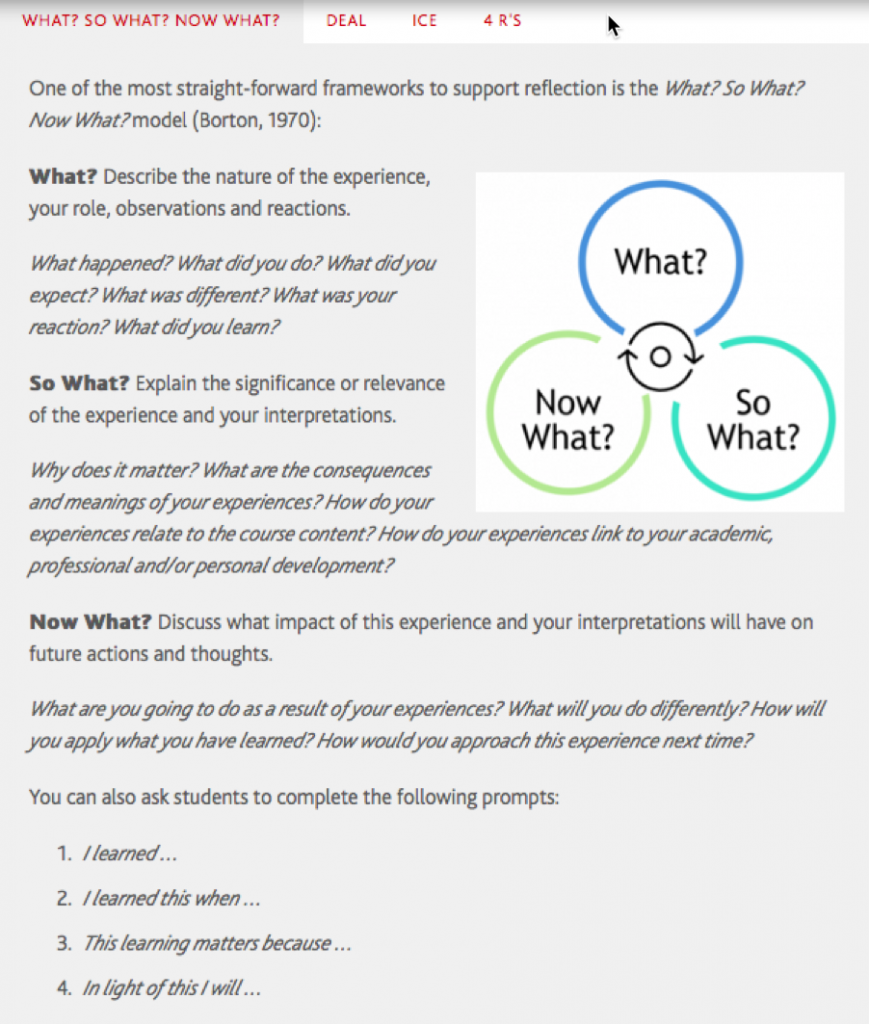
By formulating open-ended questions (questions that do not require a simple yes or no answer), you begin the process of generating your own learning. When you answer these questions, you are reflecting and enabling your growth.
Questions and Reflection (click here)
Formulating and articulating your own questions is reflection. When you engage in this behavior, it promotes learning. Asking questions is a central feature of experiential education, of which this course is a type. Good reflection solidifies connections between theory, what you experience, and the meaning you derive from your application of that theory into your life (Denton, 2011).

Ask Open Ended Questions
The more you answer questions, the more you develop your response and action plan for the situation.
That is the purpose of LtL Study Guides. By taking these courses and participating in the voluntary discussions, you will be creating your own identity on these issues of civic urgency in the United States today.