Information Bias
Truth in the News
The Center for News Literacy makes the case for being smart consumers of online news. They state that the internet seems to make it harder, not easier, to determine the truth. The digital revolution is characterized by a flood of information and misinformation that news consumers can access from anywhere at any time… This superabundance of information has made it imperative that citizens learn to judge the reliability of news reports and other sources of information that is passed along their social networks.
UNIVERSITY OF MARYLAND GLOBAL CAMPUS
You can develop your own strategies to help you determine
Tuesday Devin
if you should believe information you see and hear.
Visit University of Maryland Global Campus link above for ideas.
TRUTH
It is important to establish the credibility of information before we rely on it and trust it as true. If we do not develop a quick and rational process to critique the multitude of messages we receive daily, our emotions and mental health will suffer. We also open ourselves up to becoming victims of self-doubt and conspiracy theories.
The Truth can be made to sound like a conspiracy theory by the voice of a deceiver. Therefore, it becomes critical that everyone practices information analysis. How else will you hear the Truth?
Digital literacy means distinguishing: truth from lies; biased from unbiased; the objective from the subjective. As consumers of information we must be capable of accurately identifying the motivations behind the words we read.
BIAS DEFINITION:
a: An inclination of temperament or outlook : especially: a personal and sometimes unreasoned judgment :
b. Prejudice
Merriam Webster
c: a proneness to a particular kind of thought or action
d: systematic error introduced into sampling or testing by selecting or encouraging one outcome or answer over others.
Bias means there may be an agenda someone is pursuing. The information may be a form of propaganda that is meant to defame and deceive.
This is why colleges and universities require students to cite their sources.
Two brief indicators of truth in data are:
- Accuracy. Verify the information you already know against the information found in the source.
- Authority. Make sure the source is written by a trustworthy author and/or institution.
The question then becomes, “What makes a person or institution trustworthy?”
Read the article written by t University of Maryland Global Campus entitled “Is My Source Credible”
Brainstorm some ideas for who or what organizations would be considered as credible sources of information.
Share your list in the LtL Online Discussion.
Think T-R-A-A P :

Timeliness : Is the information up to date.
Relevance : Importance of the information for your needs.
Accurate – The reliability, truthful, and correctness of the information.
Authority – Who is the source of the information
Purpose – The reason the information exists.
When considering adopting the values of ideas presented online (or in any media), stop and ponder each of the points above.
Take time now to write down why each one is important. The way to approach this is to write down what happens when information is not T-R-A-A-P.
You will discover that when information is not T-R-A-A-P, your mind falls into the TRAP set by those who desire followers for their own agenda and world view.

I encourage you to use the LtL Online Discussion to copy and paste your short response.
Digital Literacy for the Super-Highway
The Information Age demands that we train our brains for greater digital literacy. Evaluating information is necessary to safely navigate the World Wide Web. Using critical thinking skills while participating in online social groups should be a personal habit for anyone using the information highway. Practicing digital literacy will help protect your identity when cruising along in virtual environments.
When consuming information on the internet, you want to decide whether the website is truth or myth. By applying the principles of BAC-FRI, you skillfully distinguish facts from lies, fake news, and propaganda.
That’s why I use the BAC-FRI model as a memory aid to remind me to stay alert on the internet.
THE BAC-FRI MODEL
Applying the principles of BAC-FRI helps you develop your own rational point of view.
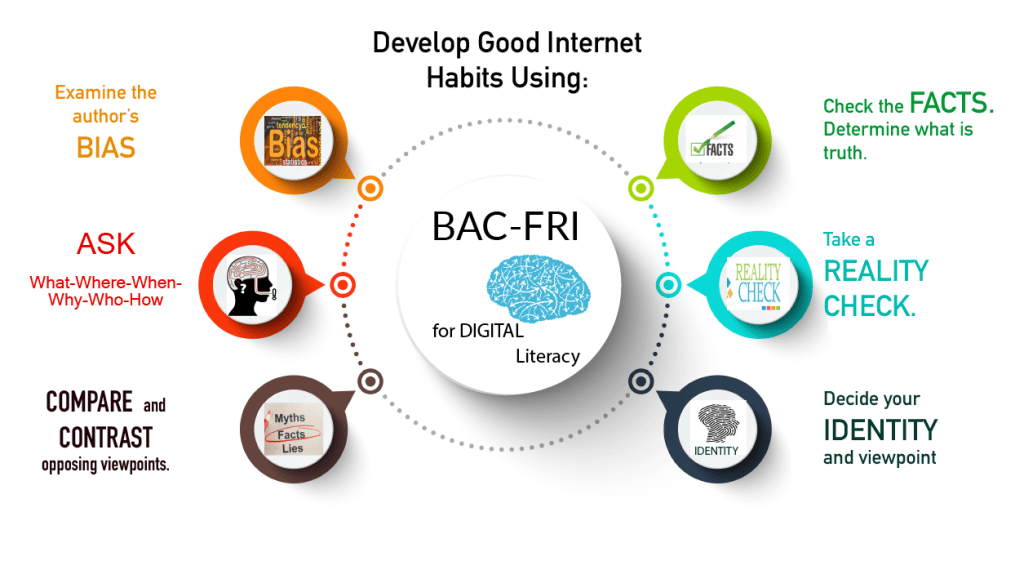
Analyze Information Using BAC-FRI
When we ask questions about the information we are viewing on the internet, we train our brains in critical thinking skills.
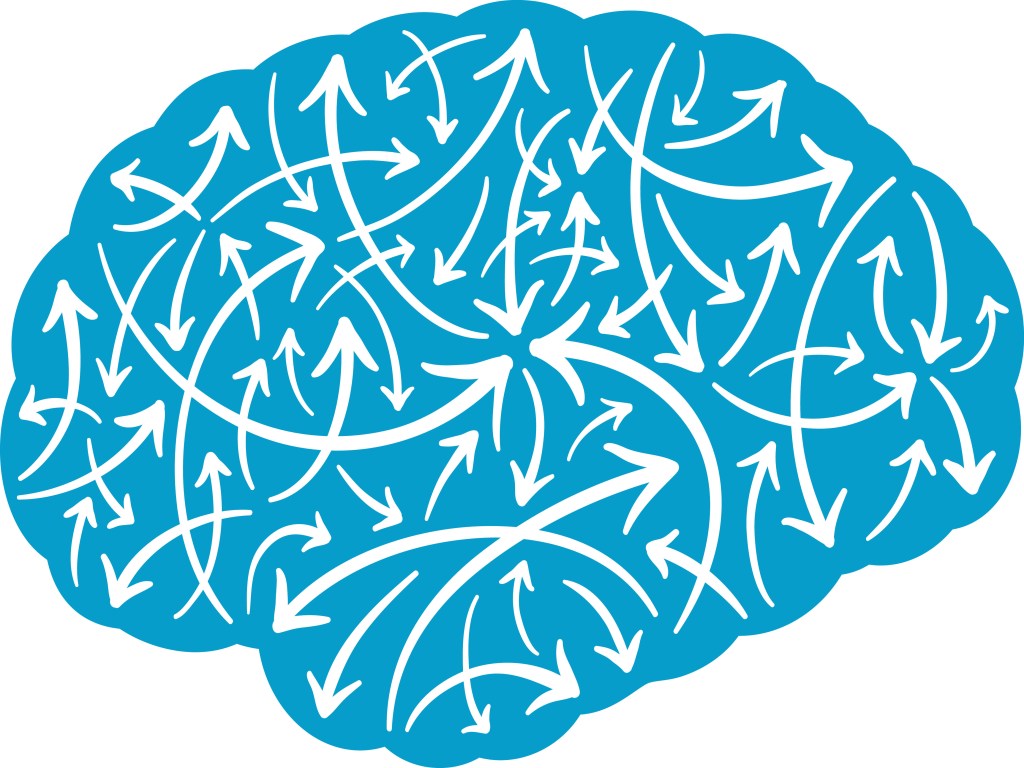
Repeating this action over and over again causes the brain to define a new pathway. This new habit then becomes part of our brains.
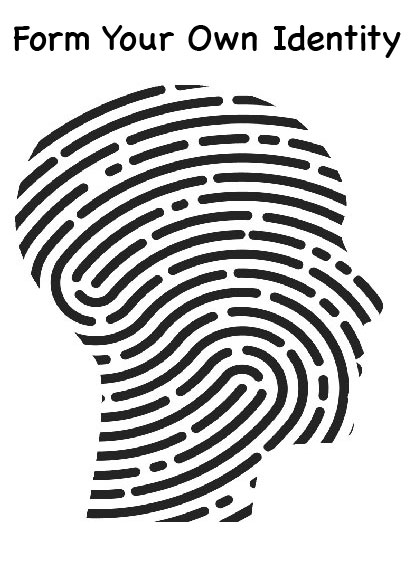
The more we analyze digital information, the more our brains are trained to create new neural pathways.
As we daily analyze internet content, we practice BAC-FRI and develop safe web surfing habits.
Use BAC-FRI To Analyze Information (Check HERE)
BIAS – ASK – COMPARE and CONTRAST – FACTS – REALITY CHECK – IDENTITY
- Examine the BIAS of the author
- Question what is spoken and written. ASK Open-ended questions : What-Where-When-Why-How
- COMPARE AND CONTRAST details. Find one additional article that supports the premise and one article that holds an alternative viewpoint.
- Check FACTS in each article to determine what is true.
- Do a REALITY CHECK. Relate your findings to your current knowledge base. Judge how each viewpoint aligns with your current understanding. Does it agree or disagree with your current ideas?
Decide your IDENTITY and viewpoint on the topic based on your analysis.
Practice Safe Web Surfing
The Creator has designed your brain (which is your mind) to change and adapt. Your mind can learn new habits.
The neural pathways in our brains will get stronger each time we read an expert’s opinion and make judgments about its reliability.

Change your attitude. Change your mind. The more you practice digital literacy, the safer we all will be on the world wide web. Apply BAC-FRI and enjoy safe web surfing.